
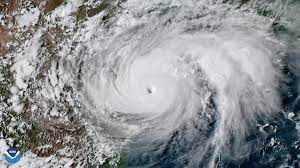
Hurricane Harvey UAV Image Segmentation
Developed a semantic image segmentation system for post-hurricane disaster assessment using UAV imagery, achieving 62.65% accuracy with SeResNet architecture. The project successfully identified and localized 27 different asset classes in residential areas, providing crucial support for disaster relief efforts in the Houston region after Hurricane Harvey.
Overview
The project addresses the critical challenge of rapid damage assessment in post-disaster scenarios using advanced computer vision techniques. Through implementation of semantic segmentation on high-resolution UAV imagery, the system can identify various residential assets including property roofs, swimming pools, vehicles, and vegetation. The research focused on developing an efficient pipeline for processing aerial imagery and creating accurate segmentation masks, demonstrating the potential of AI-driven disaster response tools.
Technologies
- Programming: Python, Jupyter
- Data Processing: NumPy, Pandas
- Visualisation: Matplotlib, Seaborn
- Deep Learning Framework: TensorFlow, Keras
- Image Processing: OpenCV, Pillow
- Data Augmentation: Albumentations
- Model Architectures: UNet, SeResNet
- GPU Acceleration: CUDA
- Model Evaluation: TensorBoard
Implementation Details
1. Data Processing Pipeline
- Developed preprocessing workflow for high-resolution UAV images
- Implemented image resizing to standardized (352, 480) dimensions
- Created 27-class segmentation mask generation system
- Established efficient data loading and batching mechanisms
- Implemented memory-efficient data handling techniques
2. Image Augmentation Framework
- Implemented comprehensive augmentation pipeline using Albumentations
- Developed horizontal flip and rotation transformations
- Created brightness, contrast, and color manipulation systems
- Implemented Gaussian noise addition
- Developed image blurring and sharpening techniques
3. Model Development
- Implemented UNet architecture for semantic segmentation
- Developed SeResNet integration for improved performance
- Created custom loss functions for segmentation
- Implemented learning rate scheduling
- Developed model checkpoint system
4. Evaluation System
- Created comprehensive metrics tracking
- Implemented visualisation for segmentation results
- Developed accuracy and loss monitoring
- Created prediction pipeline for new images
- Implemented performance comparison framework
Analysis Features
- Multi-class segmentation analysis
- Model performance visualisation
- Class-wise accuracy assessment
- Augmentation effectiveness study
- Resolution impact analysis
- Training convergence monitoring
- Inference time optimisation
- Memory usage optimisation
- Asset distribution analysis
- Error pattern investigation
Key Results
- Achieved 62.65% accuracy with SeResNet architecture
- Successfully identified 27 distinct asset classes
- Developed efficient processing for high-resolution imagery
- Created robust augmentation pipeline
- Optimised model for memory efficiency
- Created visualisation tools for result interpretation
- Validated system on real disaster scenario data
Skills Gained
- Deep learning model implementation
- Image segmentation techniques
- Data augmentation strategies
- Memory optimisation for large datasets
- Computer vision pipeline development
- Model evaluation and optimisation
- UAV imagery processing
- Performance optimisation
Impact
The system provides valuable tools for disaster response teams, enabling rapid assessment of affected areas and efficient resource allocation. The methodology can be extended to various natural disaster scenarios and different types of aerial imagery. The project demonstrates the practical application of computer vision in humanitarian assistance and disaster response operations.